
What is a Clinical Trial?
A clinical trial is a carefully designed research study that evaluates the safety, effectiveness, and potential benefits of new or existing medical treatments, interventions, or therapies. Every medication and device available on the market today has undergone rigorous testing through clinical trials.
At Cognivus, we are committed to advancing medical knowledge by conducting high-quality clinical trials that contribute to better healthcare outcomes for all.
Your Safety is Our Priority
At Cognivus, participant safety is at the heart of everything we do. All clinical trials are conducted under strict ethical and regulatory standards, including comprehensive informed consent processes and ongoing medical oversight. Each participant receives regular health assessments to ensure their wellbeing throughout the study.
Drug Development is Strictly Regulated
- Clinical trials are governed by a range of regulatory authorities, including the Food and Drug Administration (FDA), the Therapeutic Goods Administration (TGA), the European Medicines Agency (EMA), and Human Research Ethics Committees (HRECs), all of which ensure trials are conducted ethically, safely, and in accordance with international standards.
- Regulatory bodies ensure that all investigational drugs undergo rigorous preclinical and safety assessments before progressing to clinical trials, where their effectiveness can then be evaluated in humans.
- In Australia, all human clinical trials are reviewed by Human Research Ethics Committees (HRECs) to ensure they are conducted ethically, with participant safety as a priority. HRECs assess whether the research is scientifically or medically justified and confirm that the trial design upholds data integrity and ethical standards throughout the study.
- At every stage of research, we rigorously assess the potential benefits of participation to ensure they outweigh any associated risks—because your safety and trust are our top priorities.
Data Safety Monitoring Committees (DSMCs)
- Made up of doctors and researchers who specialise in the medical condition being studied.
- Usually include someone who is completely independent—not connected to the company running the trial or the clinic where it’s happening—to help make fair and unbiased decisions.
- Monitor the trial closely and review all safety information to make sure the benefits still outweigh any risks to participants.
- Regularly review the trial results to make sure it remains safe for participants to continue.
Informed Consent Process
- Participation in a clinical trial cannot proceed without the provision of your fully informed, written consent.
- You will be provided with a Participant Information and Consent Form (PICF), giving you ample time to review its contents thoroughly. You are encouraged to discuss the information with your regular healthcare providers, as well as with family or friends, to help you make an informed decision. We recommend noting down any questions you may have so the study team can address them in detail during your initial visit.
- The Participant Information and Consent Form (PICF) outlines the purpose of the trial, what is currently known about the investigational drug, your responsibilities as a participant, and the procedures involved during clinic visits. It also details potential risks and side effects, as well as your rights throughout the course of the study.
- We encourage you to document any questions or concerns, which the study team will review and discuss with you during your visit.
- At your screening visit, a study doctor will review the Participant Information and Consent Form (PICF) with you in detail and answer any questions you may have. If you decide to proceed with participation, you will be asked to sign and date the PICF, and the doctor will do the same. You will then receive a fully signed copy of the document for your personal records.
More frequent Health Care Reviews
- While each clinical trial is unique, all studies include regular assessments to monitor your safety and evaluate how the investigational drug is working.
- During your healthcare review visits, the study staff will carry out the necessary checks as outlined by the clinical trial.
- Clinical trial healthcare reviews are often more frequent than standard medical appointments. This increased monitoring is designed to ensure your ongoing safety and to confirm that you remain eligible to continue participating in the trial.
- This regular contact allows you to discuss your health with the study team and enables us to provide updates to your usual healthcare providers as needed.
- All review appointments are provided free of charge, and any travel expenses incurred for trial visits will be reimbursed.
Your right to withdraw at any time
- Participation in clinical trials is entirely voluntary from beginning to end. You have the right to withdraw from the trial at any time, even after signing the Participant Information and Consent Form (PICF), without any obligation to continue.
- If you choose to withdraw from the clinical trial after enrollment, your relationship with Emeritus Research will remain unaffected, and there are no penalties or consequences for withdrawing.
- Your usual healthcare will continue uninterrupted and will not be affected by your participation in the clinical trial.
- If you choose to withdraw after receiving one or more doses of the study drug, we kindly ask that you consider completing a safety follow-up visit. This visit allows us to conduct a final health assessment and discuss your options following your departure from the clinical trial.
- Withdrawing from a clinical trial does not prevent you from participating in future studies; however, your eligibility for any new trials will need to be reassessed.

What to Expect When Participating in a Clinical Trial
- Comprehensive Screening
- A detailed initial assessment to confirm your eligibility for the study.
- Ongoing Health Monitoring
- Regular site visits to closely monitor your health and ensure your safety throughout the trial.
- Laboratory Tests
- Collection of blood and other pathology samples to track biological markers and treatment response.
- Study-Specific Assessments
- Depending on the study, you may undergo procedures such as ECGs, x-rays, physical exams, joint evaluations, or skin assessments.
- Health & Wellbeing Questionnaires
- Periodic surveys to understand how you’re feeling and how the treatment may be affecting your quality of life.
- Supportive, Professional Care
- Our experienced clinical staff are here to guide and support you every step of the way.
- Make a Difference
- Contribute to vital medical research that may benefit future patients worldwide.
- Meaningful Experience
- Many participants find personal satisfaction in helping advance medical science while receiving high-quality care.
- Many participants find personal satisfaction in helping advance medical science while receiving high-quality care.
Benefits of Enrolling in a Clinical Trial
- Access to Leading Experts
- Be cared for by highly experienced investigators and medical specialists at the forefront of clinical research.
- No-Cost Medications & Health Reviews
- Receive study-related medications, health assessments, and clinic visits at no cost to you.
- Reimbursement for Time & Travel
- Compensation provided for your time and any travel expenses associated with the study.
- Personalized Support from a Dedicated Team
- Our clinical research team is committed to providing compassionate, professional care throughout your journey.
- Contribute to Medical Innovation
- Play a vital role in advancing new treatments and improving healthcare for future generations.

Frequently Asked Questions
Can anyone volunteer for a trial?
- While anyone can express interest in joining a clinical trial, each study has specific eligibility criteria. These requirements help ensure participant safety and the reliability of study results. Your suitability for a particular trial will be carefully reviewed and discussed with you before your first appointment and during your initial visit.
Why should I participate?
People take part in clinical trials for many meaningful reasons, including:
- Access to Expert Care
Receive care from leading medical specialists and experienced clinical trial investigators. - No-Cost Treatments & Reviews
Study-related medications, health assessments, and clinic visits are provided at no cost. - Reimbursement for Time & Travel
Compensation is offered for your time and any travel required during the trial. - Supportive Clinical Team
Work closely with a dedicated team of healthcare professionals focused on your safety and comfort. - Contribute to Medical Progress
Play an active role in advancing new treatments that could benefit countless others in the future.
Will I be reimbursed for participating in a clinical trial?
- Reimbursement for Time and Travel
You may be eligible to receive compensation for your time and any travel expenses related to your participation in a clinical trial. The amount provided varies by study. For more details, please speak with your study doctor or research coordinator.
What happens during a clinical trial?
Your eligibility to participate in a clinical trial will first be assessed through a phone interview, followed by a Screening Visit with a dedicated study doctor. During this visit, you’ll undergo tests and assessments to determine if the study is right for you.
If you’re eligible, you’ll be scheduled to receive your first dose of the study medication. From that point on, the study doctor and research coordinator will carefully monitor you for any potential side effects or changes in your health.
Your follow-up visits will follow a pre-set schedule determined by the study sponsor. These may include:
- Physical examinations
- Vital sign monitoring
- Blood tests
- ECGs (electrocardiograms)
- Questionnaires about your health and well-being
Because every clinical trial is different, it’s important to read your Participant Information and Consent Form (PICF) thoroughly for specific details related to your study.
How long do clinical trials last?
- The duration of the clinical trial will be clearly outlined in your Participant Information and Consent Form (PICF). While you are encouraged to remain in the study for its full duration, your participation is completely voluntary—you are free to withdraw at any time, for any reason, without affecting your medical care.
What is involved in a screening appointment?
The Screening Visit is an important first step to help the study team determine if you are eligible to participate in the clinical trial.
During this appointment, you may:
- Meet with the study doctor to discuss the trial in detail and ask any questions
- Provide information about your medical history and any current medications
- Have your height, weight, and vital signs measured
- Undergo a physical examination
- Provide blood and urine samples for laboratory safety testing
- Complete questionnaires or surveys about your health and symptoms
Your Participant Information and Consent Form (PICF) includes a detailed list of all procedures for each visit. If you have any questions or need clarification at any point, the study staff will be happy to assist you.
If I attend a screening appointment, am I guaranteed a place in the trial?
While we do our best to assess your suitability during the initial phone call, we cannot confirm your eligibility until your in-person screening visit. Each clinical trial has strict inclusion and exclusion criteria designed to protect your health and ensure the reliability of the study results.
During the screening appointment, the study team will review key information such as:
- Your medical history
- Any current medications you are taking
- Results from laboratory tests and physical assessments
This process helps us determine whether the study is safe and appropriate for you.
If I am selected for the trial, will I be on placebo?
Many of our clinical trials are placebo-controlled, which means some participants receive the study drug, while others receive a placebo (a substance with no active medication). In certain studies, you may receive a placebo for part of the trial and then switch to the study drug later on. Your study doctor will explain the specific design of your trial during your Screening visit.
- Ongoing Health Monitoring
Your health will be closely monitored throughout the trial. If you experience any concerns or feel that your condition is worsening, you are free to withdraw from the study at any time.
- Treatment Assignment
Whether you receive the placebo or study drug is determined randomly, similar to flipping a coin. This ensures that results are scientifically valid and unbiased.
- Blinded Studies
Some trials are double-blind, meaning neither you nor your study doctor will know which treatment you’re receiving. However, in the case of a medical emergency, your doctor can access this information to ensure your safety.
Are there side effects to the drugs being trialled?
All medical procedures, medications, and tests can carry the risk of side effects. During your participation in the study, your study doctor will closely monitor your health and watch for any side effects you may experience.
Your Participant Information and Consent Form (PICF) includes a detailed list of all known side effects associated with the study treatment, along with how commonly they may occur. It’s important to review this information carefully and discuss any concerns with your study doctor.
What happens to me after the clinical trial finishes?
Depending on the design of the trial, you may be:
- Invited to join a long-term extension study, allowing continued access to the study medication under ongoing monitoring
- Provided compassionate access to the study medication, if applicable and approved
- Discontinued from the study medication, as some trials do not allow continued access after participation ends
Details about post-trial access will be outlined in your Participant Information and Consent Form (PICF). For further clarification, please speak with your study doctor or research coordinator.
What are the benefits of participating in a clinical trial?
While you may or may not experience a direct benefit from the experimental treatment, your participation is incredibly valuable. By taking part in a clinical trial, you are helping researchers gather critical information about how the study drug works—information that can lead to improved treatments for future patients.
Many of our clinical trials have contributed to the successful approval and availability of new medications both in Australia and internationally.
What are the facilities like for clinical trial participants at Cognivus?
At Cognivus, we strive to provide a welcoming and comfortable environment for every participant. Our modern, recently renovated facilities are designed with your privacy and well-being in mind, offering bright, spacious areas for all appointments and procedures.
Each study is supported by a dedicated clinical research coordinator who will stay in close contact with you throughout your participation, ensuring you feel informed, supported, and at ease.
Our experienced and approachable staff are always available to answer your questions and address any concerns you may have.
For longer visits, we offer:
- Access to loan devices so you can connect to the internet
- Meal delivery options, depending on the study protocol
- Additional comfort measures upon request
If there’s anything we can do to improve your experience, please don’t hesitate to speak with a member of the study team.
What Clinical Trials Does Cognivus Research Conduct?
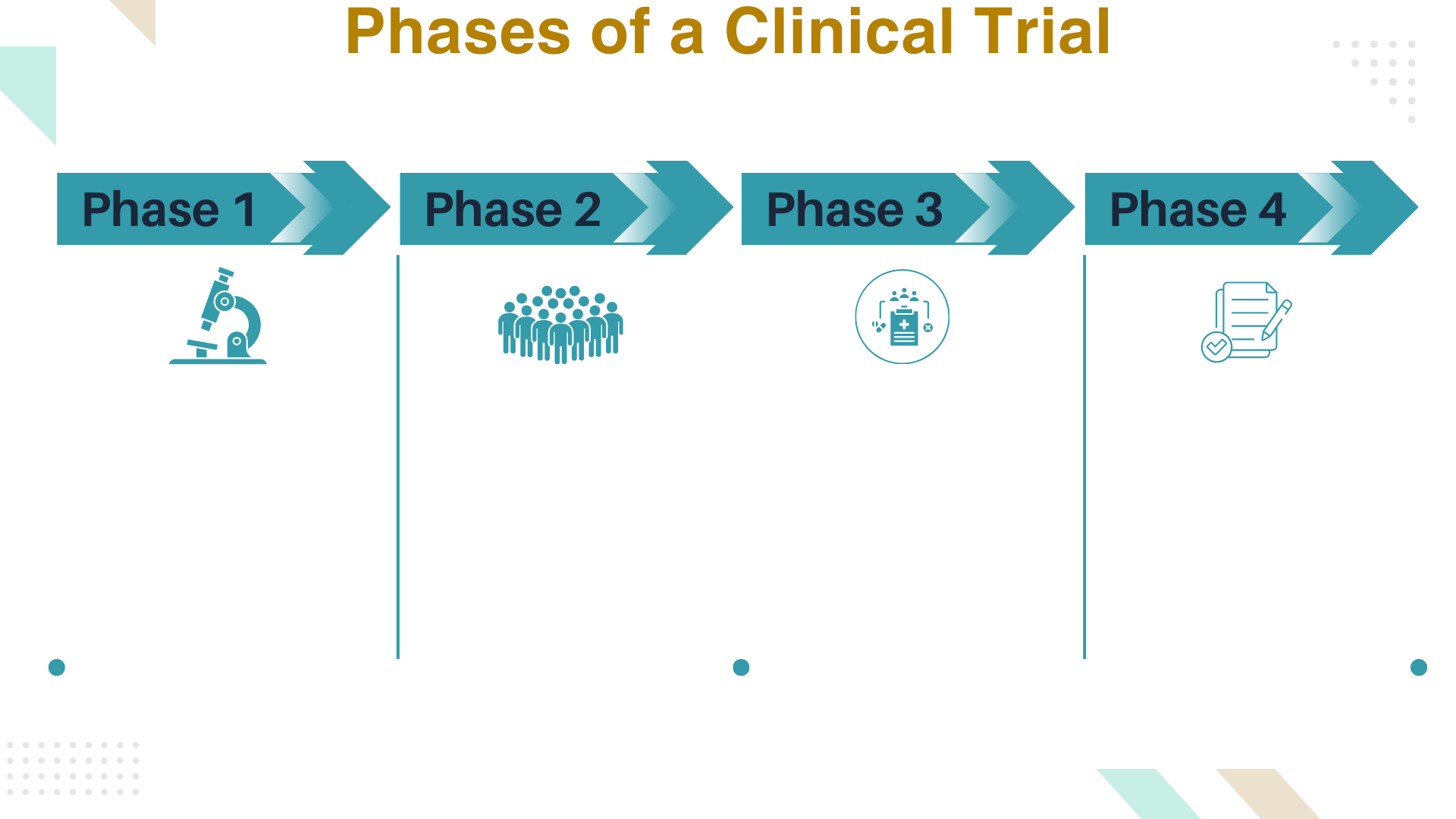
Cognivus Research conducts clinical trials across a wide range of therapeutic areas, including rheumatology, gastroenterology, dermatology, and more. We support studies across all phases of clinical development, from early-stage research to late-phase trials aimed at bringing new treatments to market.
How do I register my interest in participating in a clinical trial?
If you’re considering joining a clinical trial or would like more information, you can register your interest by exploring our current studies—just click the link in the top right corner of your screen.
Alternatively, feel free to call us on (02) 9687 9633, and a member of our team will be happy to discuss available options and answer any questions you may have.
What do I need to bring to my screening appointment?
Please bring the following items to your screening visit:
- A valid form of identification (e.g., driver’s license, passport)
- A list of your current medications
- Any relevant medical records or a summary of your medical history, if available
Having this information ready will help our team assess your eligibility more efficiently.
How do I get to Cognivus?
Our Locations
Parramatta:
Suite 304, 55 Phillip Street
Parramatta, NSW 2150
Wahroonga:
Parkway San Clinic, Suite 214/172 Fox Valley Rd
Wahroonga NSW 2076
Campbelltown:
Suite 11/42 Parkside Cres
Campbelltown NSW 2560
Epping:
Suite 3/44-46 Oxford Street,
Epping NSW 2121
Your booking confirmation will provide detailed directions. If you need assistance finding us, please contact our reception team at:
Phone: (02) 9687 9633